
Understanding Pre-diabetes
Pre-diabetes is a condition in which blood sugar levels are higher than normal but not high enough to be diagnosed as type 2 diabetes. It's often considered a gray area between normal blood sugar levels and diabetes
Title: Understanding Pre-diabetes: A Step Towards a Healthier Future
Introduction
In an era where chronic health conditions are on the rise, understanding and managing pre-diabetes has become more crucial than ever. Pre-diabetes is a condition characterized by elevated blood sugar levels that are not yet high enough to be classified as type 2 diabetes. It serves as a warning sign, an opportunity for individuals to make positive lifestyle changes to prevent the progression to full-blown diabetes. In this blog, we will delve into what pre-diabetes is, its risk factors, symptoms, and most importantly, how to prevent its progression.
What is Pre-diabetes?
Pre-diabetes is a condition in which blood sugar levels are higher than normal but not high enough to be diagnosed as type 2 diabetes. It's often considered a grey area between normal blood sugar levels and diabetes. The American Diabetes Association defines pre-diabetes using two common tests:
1. Fasting Blood Sugar Test: A fasting blood sugar level between 100 and 125 milligrams per deciliter (mg/dL) indicates pre-diabetes.
2. A1C Test: An A1C level between 5.7% and 6.4% also suggests pre-diabetes.
Several factors contribute to the development of pre-diabetes, including:
1. Weight: Being overweight or obese significantly increases the risk of pre-diabetes. Fat cells can become resistant to insulin, leading to elevated blood sugar levels.
2. Physical Inactivity: Lack of regular physical activity reduces insulin sensitivity, making it harder for cells to utilize glucose effectively.
3. Diet: A diet high in processed foods, sugary beverages, and low in fibre can contribute to insulin resistance.
4. Family History: Genetics play a role in predisposing individuals to pre-diabetes and diabetes.
5. Age: Risk increases with age, especially after 45.
6. Gestational Diabetes: Women who had gestational diabetes during pregnancy have a higher risk.
7. Polycystic Ovary Syndrome (PCOS): PCOS is linked to insulin resistance and an increased risk of pre-diabetes.
Risk Factors
Symptoms and Complications
Unlike diabetes, pre-diabetes often doesn't exhibit noticeable symptoms. However, some people may experience mild symptoms such as increased thirst, frequent urination, and fatigue. If left unaddressed, pre-diabetes can progress to type 2 diabetes, which comes with a host of serious complications including cardiovascular disease, nerve damage, kidney problems, and more.
Prevention and Management
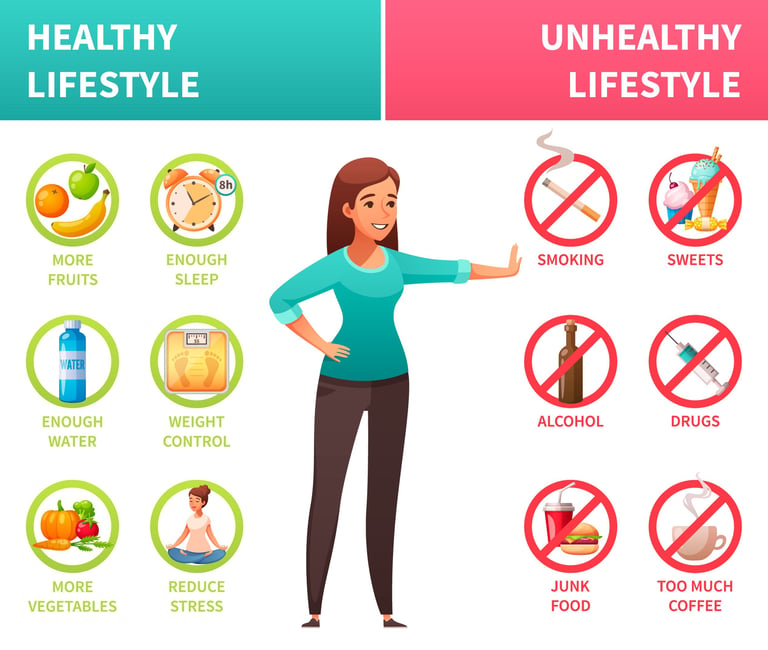
The silver lining with pre-diabetes is that it can be reversed through proactive lifestyle changes. Here's what you can do:
Healthy Eating: Focus on a balanced diet rich in vegetables, fruits, whole grains, lean proteins, and healthy fats. Minimize sugary and processed foods.
Physical Activity: Aim for at least 150 minutes of moderate-intensity aerobic activity per week, coupled with strength training exercises.
Weight Management: Achieve and maintain a healthy weight. Even a modest weight loss of 5-10% can have a significant impact on reducing blood sugar levels.
Monitor Blood Sugar: Regularly check your blood sugar levels to track your progress and identify trends.
Stress Management: Chronic stress can contribute to insulin resistance. Practice relaxation techniques like meditation and deep breathing.
Limit Alcohol: If you drink, do so in moderation, as excessive alcohol intake can affect blood sugar levels.
Conclusion
Pre-diabetes serves as a critical juncture in a person's health journey. It's an opportunity to make positive changes that can prevent the progression to type 2 diabetes and its associated complications. By adopting a healthy lifestyle, monitoring your blood sugar, and seeking guidance from healthcare professionals, you can take control of your health and pave the way for a brighter, diabetes-free future. Remember, small steps today can lead to significant benefits tomorrow.
+91 6284806625


balanceddietclinic1@gmail.com


Contact Us
Get In Touch


Balanced Diet Clinic
Panchkula
H. No. 551, Sector 25, Near GST Bhawan Panchkula (Haryana ) 134112
Balanced Diet Clinic
Panchkula
SCO 134, Ground floor, Sector 14, Panchkula (Haryana ) 134113